HIPAA and Fax Security: How Fax.xyz Protects PHI During Transmission

HIPAA
Learn how Fax.xyz protects PHI during fax transmission with encryption, secure storage, delivery tracking, and digital security features.
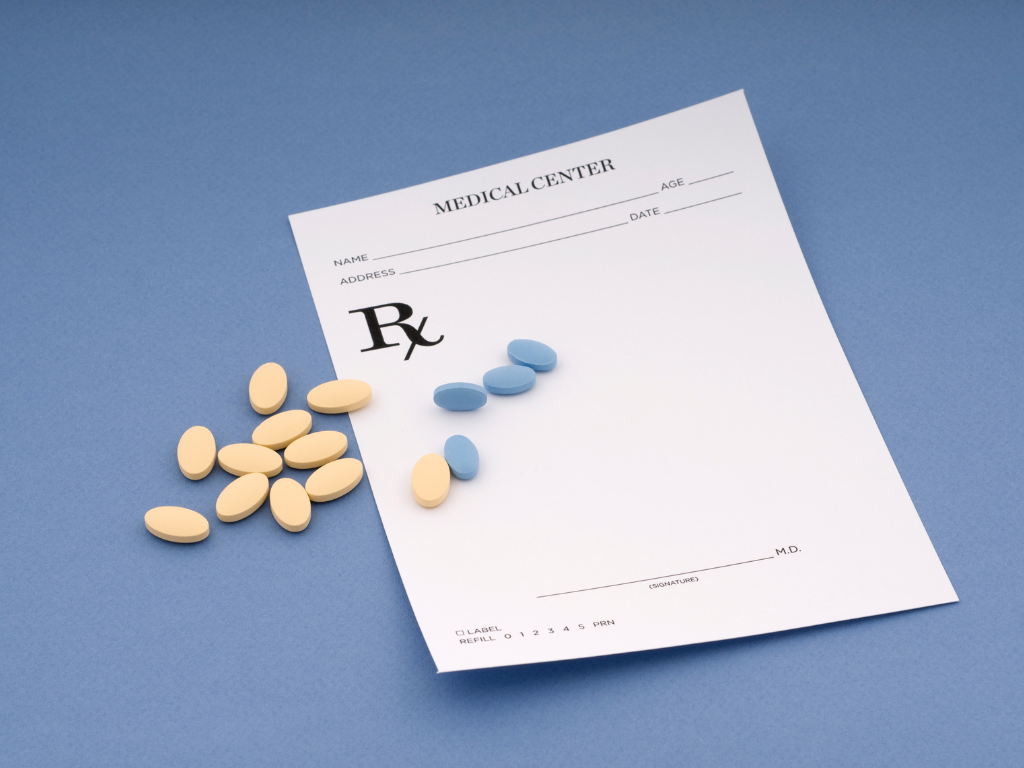
Can you fax a prescription? Yes, but there’s a little more to it than sending a document to a fax number. Before you hit send, there are a few things to check—from whether the prescription can be faxed to whether the patient's information is being handled securely.
This guide explains the key requirements for faxing prescriptions and the security measures healthcare organizations can use to protect patient information throughout the process.
As mentioned above, yes—but there are rules to follow. Whether you can fax a prescription depends on the medication, the circumstances, and the requirements that apply.
Not every prescription follows the same rules.
Because requirements can vary, don't assume that a process that works for one prescription will work for another.
HIPAA does not prohibit healthcare organizations from faxing prescriptions or other patient information.
Instead, organizations need to take appropriate steps to protect protected health information (PHI) when it is being transmitted. That can include verifying the recipient, limiting unnecessary information, and using appropriate safeguards for the faxing system and workflow.
In other words, HIPAA doesn't mean "don't fax." It means "fax responsibly."
If you're unsure whether a particular prescription can be faxed, check the requirements that apply to your situation. This is especially important for:
When in doubt, check with the receiving pharmacy, your state board, or your organization's compliance or legal team before sending the prescription.
Once you've confirmed that the prescription can be faxed, the next step is making sure it gets to the right place securely. A simple process can help prevent common mistakes, from sending an incomplete prescription to using the wrong fax number.
Before you send anything, make sure the prescription is complete, accurate, and easy to read.
Check that:
Only include the information needed for the intended transaction. Avoid sending unrelated patient records or unnecessary PHI along with the prescription.
A correct prescription sent to the wrong fax number is still a problem.
Before sending, verify:
Use a trusted, authoritative source to confirm the number rather than relying on an old document, contact list, or autofill entry.
Pay particular attention to pharmacies or facilities with multiple locations, similar fax numbers, or recently updated contact information.
Use an organization-approved fax system to send the prescription.
An online fax service may offer security and administrative controls that are harder to manage with an unattended or shared fax machine. Depending on the system, these can include:
The specific controls your organization needs will depend on its workflow and risk assessment. The important thing is to use a faxing method that your organization has approved for transmitting PHI.
Do one final check before hitting Send.
Make sure:
If you're using a physical fax machine, make sure the area is secure and that documents won't be left where unauthorized people can see them.
Once the fax has been sent, check the transmission status or confirmation.
A successful transmission generally tells you that the fax was sent successfully. However, it doesn't necessarily mean that the intended person has seen or reviewed it.
For urgent or time-sensitive prescriptions, consider contacting the pharmacy or facility to confirm that the prescription was received.
Finally, make sure any copies created during the process are handled appropriately.
Depending on your organization's requirements:
The goal is to protect the prescription and the patient's information before, during, and after the fax is sent.
HIPAA doesn't prevent you from faxing prescriptions, but it does require healthcare organizations to take appropriate steps to protect PHI. That means looking at the entire faxing process, not just the moment you press Send.
Here are the main areas to consider.
Only send the information needed for the intended purpose when the minimum-necessary standard applies.
For example, if you're faxing a prescription to a pharmacy, there's generally no reason to include unrelated pages from the patient's medical record.
Keep the fax focused on what the recipient needs to complete the transaction.
Secure faxing starts with having the right processes in place. Organizations should have clear policies covering things like:
These procedures help make secure faxing part of the normal workflow rather than something employees have to figure out each time.
Don't forget about the physical documents involved.
A prescription can still expose PHI after it has been printed or received. Fax machines and printed documents should be kept in locations where unauthorized people can't easily view or access them.
This can mean:
The fax system itself should also have appropriate security controls.
Depending on the system, these may include:
An online fax service may provide some of these controls through a centralized system, but organizations should evaluate the actual features and configuration rather than assuming that a service is secure simply because it is digital.
If your organization uses a third-party provider to create, receive, maintain, or transmit PHI on its behalf, there may be additional HIPAA requirements to consider.
Depending on the services provided, the vendor may qualify as a business associate, which can require a business associate agreement (BAA) and other HIPAA safeguards.
Before using a third-party fax service for PHI, organizations should review the provider's security practices, contractual terms, and HIPAA obligations with the appropriate compliance or legal team.
Faxing a prescription can be simple, as long as you follow the rules and take the right steps to protect patient information. From verifying the recipient to confirming delivery, a secure faxing process helps reduce the risk of errors and unauthorized disclosures.
Fax.xyz gives healthcare organizations a convenient way to send confidential documents online, including prescriptions and other sensitive healthcare records. With features designed for secure faxing and delivery tracking, it can help teams move away from physical fax machines without giving up the convenience of fax.
Whether you're sending a prescription or another confidential document, the right online faxing service can make the process easier, more secure, and easier to manage.
Send prescriptions and other sensitive healthcare documents securely with Fax.xyz. Simplify your faxing workflow while keeping patient information protected.
Explore the future of faxing and secure document sharing. Find practical guides, helpful tips, and expert resources to streamline your workflow.

Send a Free Fax with Fax.xyz
.svg)
2025 © Fax.xyz 95 3rd St 2nd Floor, San Francisco, CA 94103, United States.