5 Best eFax Alternatives for Every Need in 2026

Fax Services
This list covers the best eFax alternatives based on different use cases, so you can find a solution that fits how you actually work.
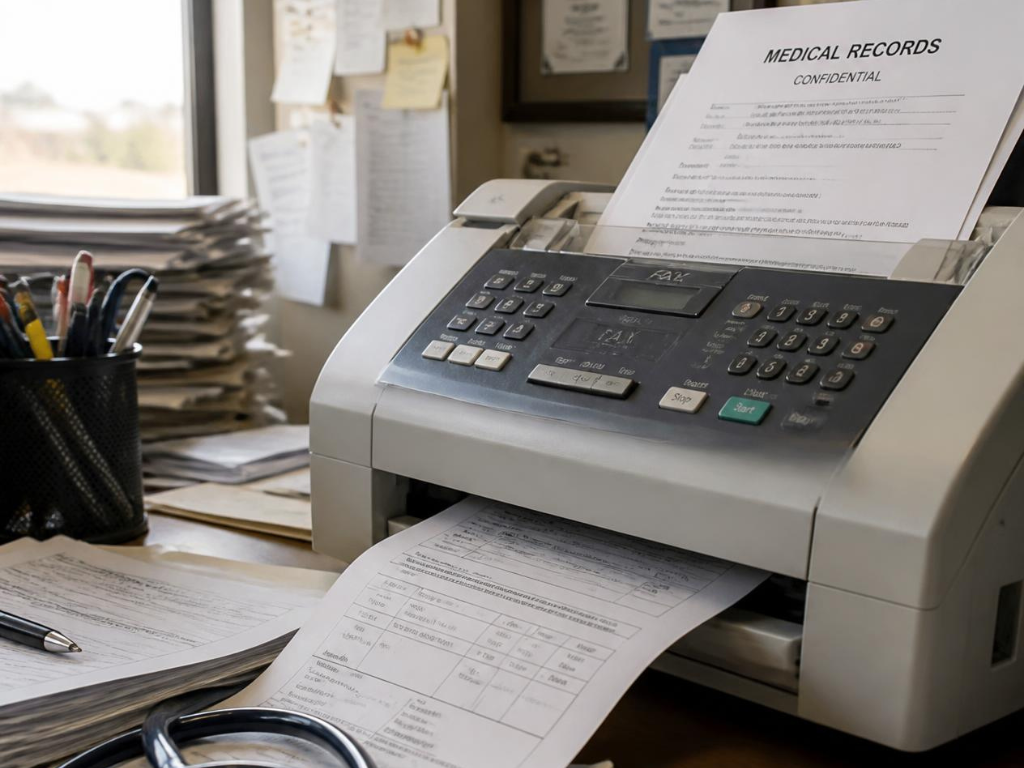
Fax remains one of the most trusted ways to share patient records between healthcare organizations. However, even with secure fax technology in place, mistakes during the sending process can put sensitive information at risk, delay communication, and compromise patient privacy.
This guide highlights the most common mistakes to avoid when faxing patient records, from sending information to the wrong recipient and including unnecessary details to overlooking security controls and delivery confirmation. It also explains how a HIPAA-compliant online fax solution can help healthcare organizations send records more securely and efficiently.
One of the most serious mistakes when faxing patient records is sending sensitive information to the wrong recipient. This can happen due to a simple typo in a fax number, outdated contact information, or a failure to confirm who is authorized to receive the records.
A misdirected fax can expose protected health information (PHI) to an unintended party, creating privacy risks and potentially delaying important healthcare communication. Even when organizations use secure fax technology, the security of patient records still depends on accurate recipient information and careful handling by staff.
Before sending patient records, verify the recipient’s fax number, organization name, and contact details. Confirm that the recipient is authorized to receive the information and that the disclosure is appropriate for the intended purpose.
Taking a few extra moments to review recipient details can help prevent accidental disclosures and ensure patient records reach the correct destination.
Another common mistake when faxing patient records is including more information than the recipient actually needs. Healthcare teams may unintentionally send entire patient files, unrelated documents, or additional details that are not required for the intended purpose.
Sharing unnecessary information increases the amount of sensitive data being exposed during transmission and can create additional privacy risks. While the recipient may be authorized to receive certain records, that does not always mean they need access to every piece of information in a patient’s file.
Before sending patient records, review the documents and include only the information needed for the specific request or purpose. Following the minimum necessary principle helps limit unnecessary disclosure while ensuring recipients have the information required to provide care or complete their responsibilities.
A fax cover sheet may seem like a simple administrative step, but leaving it out can create confusion and increase privacy risks when sharing patient records. Without a cover sheet, recipients may have difficulty identifying the sender, understanding who the documents are intended for, or knowing how to respond if the fax is received incorrectly.
A professional cover sheet also provides an additional layer of protection by including confidentiality instructions for unintended recipients. However, some organizations make the mistake of including sensitive patient details on the cover sheet itself, which can expose unnecessary information before the actual records are reviewed.
Use a professional fax cover sheet that clearly identifies the sender, recipient, and contact information for follow-up. Include an appropriate confidentiality notice, but avoid adding unnecessary patient details or protected health information to the cover sheet.
While fax remains a trusted method for sharing patient records, the technology behind the process matters. Relying on outdated fax workflows or solutions without proper security controls can make it harder to protect sensitive information and manage access to patient documents.
Healthcare organizations that use unsecured fax solutions may lack important safeguards such as encryption, user authentication, access controls, and audit records. Without these protections, organizations may have limited visibility into who sent, received, or accessed patient information.
Use a HIPAA-compliant online fax solution designed to support secure healthcare communication. Look for features such as encryption during transmission, user authentication, access controls, audit logs, delivery records, and Business Associate Agreements (BAAs) where applicable.
The right fax solution can help healthcare teams improve security while making it easier to manage patient record workflows.
Another mistake healthcare organizations make is assuming that a fax was received simply because it was sent. Transmission errors, incorrect fax numbers, or technical issues can prevent patient records from reaching the intended recipient.
Failing to confirm delivery can lead to delays in patient care, missed deadlines, or uncertainty about whether sensitive information was received. In healthcare settings, where timely access to records is often critical, a successful transmission does not always mean successful communication.
Review fax delivery confirmations or transmission reports after sending patient records. If a fax fails, address the issue promptly by verifying recipient details and resolving any technical problems before resending.
Maintaining delivery records also helps organizations track communications and document that patient information was transmitted appropriately.
Faxing patient records securely requires more than having the right technology in place. Avoiding common mistakes plays an important role in protecting patient privacy and maintaining reliable communication.
By following secure medical faxing practices and using a HIPAA-compliant online fax solution, healthcare organizations can reduce the risk of errors, improve document workflows, and ensure sensitive patient information reaches the right people when it matters most.
When it comes to faxing patient records, security depends on both the tools being used and the processes followed every time a document is sent.
Explore the future of faxing and secure document sharing. Find practical guides, helpful tips, and expert resources to streamline your workflow.

Send a Free Fax with Fax.xyz
.svg)
2025 © Fax.xyz 95 3rd St 2nd Floor, San Francisco, CA 94103, United States.