Fax Not Going Through? Common Issues and Solutions

Online Faxing
Having trouble sending an online fax? Learn why faxes fail, how to fix common delivery issues, and tips for a smoother, more reliable faxing experience.
Faxing remains an essential way to exchange documents in many industries, from healthcare to legal services to real estate. But the technology behind it has evolved significantly. Today, businesses and individuals have two main options: traditional fax machines and online fax services.
Both accomplish the same basic task, sending and receiving documents, but they work in very different ways. In this guide, we'll compare online fax and traditional fax machines across the factors that matter most, so you can decide which solution best fits your needs.
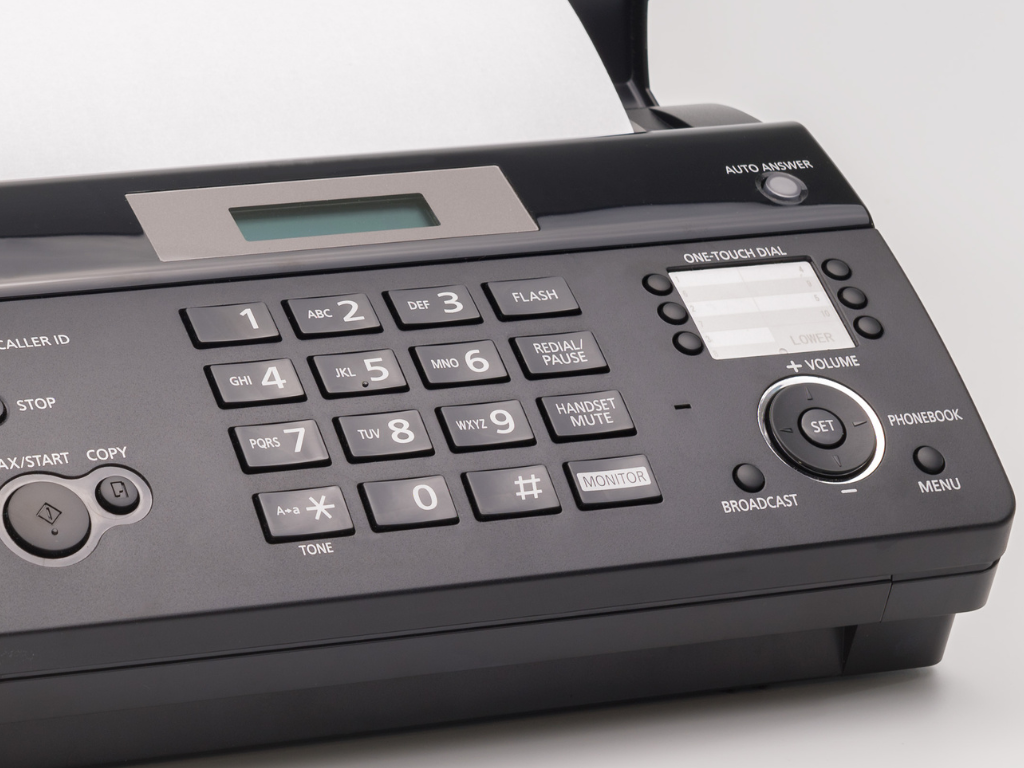
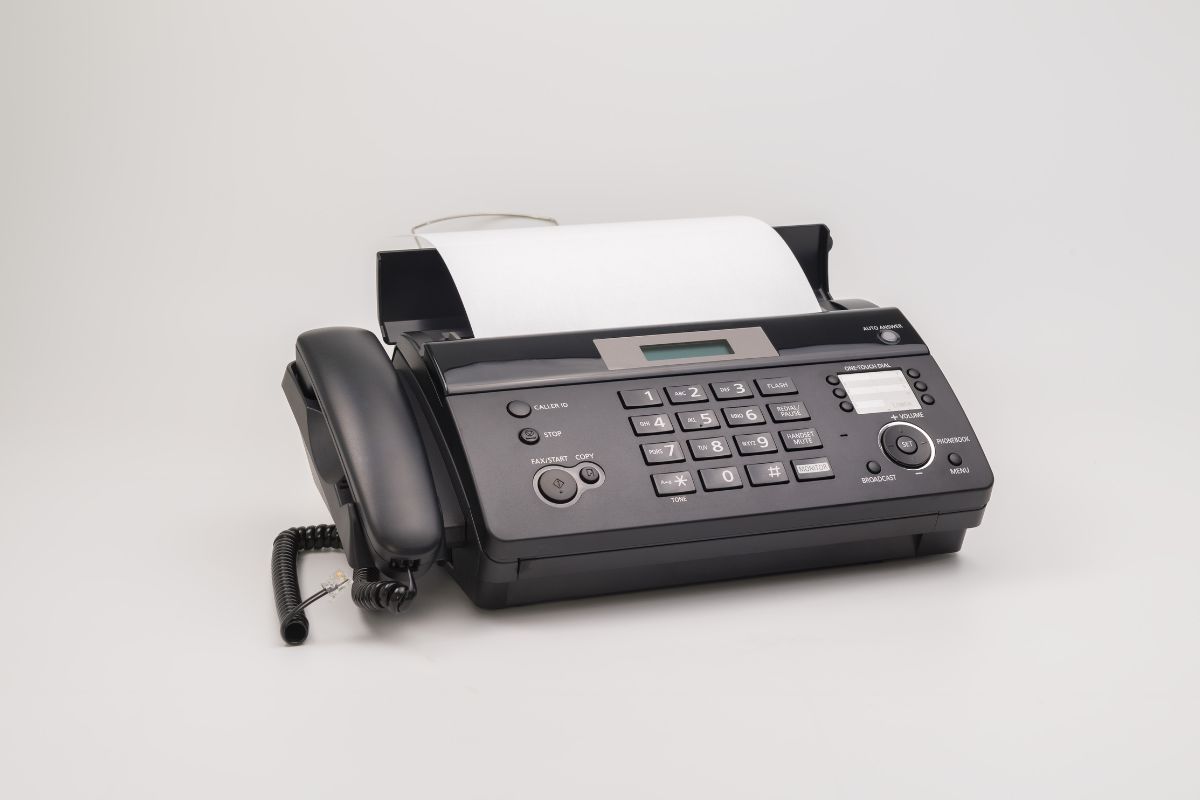
A traditional fax machine sends documents over a standard phone line by converting a printed page into an audio signal, transmitting it, and reconstructing it as a printed page on the receiving end.
To use one, you typically need:
The workflow is straightforward: feed a printed document into the machine, dial the recipient's fax number, and wait for confirmation that it went through. On the receiving end, faxes print out automatically.
Traditional fax machines are still common in industries with established fax infrastructure, such as healthcare offices, law firms, and government agencies, where compliance requirements or long-standing workflows make switching difficult.
An online fax service, sometimes called internet faxing or electronic faxing, lets you send and receive faxes using an internet connection instead of a phone line and physical machine.
With a service like Fax.xyz, you can send and receive faxes from a computer, tablet, or smartphone. Documents are uploaded digitally, or you can fax directly from your email, and delivery is confirmed electronically. Online fax services are also fully compatible with traditional fax machines. The recipient doesn't need any special equipment to receive your fax.
Businesses and individuals have increasingly adopted online faxing because it removes the need for dedicated hardware while fitting more naturally into digital workflows, cloud storage, and remote work.
Here's how the two options compare across the factors that matter most when choosing a fax solution.
Traditional fax machines require you to be physically present at the machine, with a printed document in hand. There's no way to send or receive a fax remotely, and the process involves several manual steps: printing, feeding the page, dialing, and waiting.
Online fax services simplify this considerably. You can upload a document and send a fax in a few clicks, from wherever you happen to be. There's no equipment to operate and no need to be in the office, making it a better fit for remote and hybrid work.
Traditional fax machines come with a range of ongoing costs:
Online fax services typically operate on subscription or usage-based pricing, with no hardware to maintain. For many users, this adds up to lower operational costs over time. If you want to see how the numbers compare for your own usage, try our fax cost calculator.
Traditional fax machines offer standard send-and-receive functionality, printed confirmation pages, and manual document filing. That's about the extent of it.
Online fax services go further, often including:
These capabilities make online fax services better suited to modern digital workflows, where documents need to move between people, tools, and platforms quickly.
With traditional fax machines, security largely comes down to physical document handling: who has access to the machine, and how printed pages are stored or disposed of afterward.
Online fax services typically offer encryption, user authentication, access controls, and audit logs, along with compliance features for regulated industries. That said, security depends heavily on how either solution is managed. A poorly secured online account can be just as risky as an unattended fax machine.
Traditional fax machines are usually limited to a single physical location, shared among everyone who needs to use them. If you're not at the office, you can't send or receive a fax.
Online fax services are accessible from multiple devices and support multiple authorized users, so documents are available wherever there's an internet connection. This makes online faxing a natural fit for remote and hybrid teams.
There's no universal winner here; it depends on your workflow. Traditional fax machines may still make sense for organizations with established fax infrastructure or specific operational requirements that make switching impractical.
For most individuals and businesses, though, online fax services offer greater flexibility, mobility, and easier digital document management, often at a lower overall cost.
Before deciding, take a look at your own workflow, budget, and business needs. Whichever option you choose, understanding the tradeoffs will help you pick the solution that best supports how you actually communicate.
With Fax.xyz, you can fax online anytime, anywhere. No-hassle 24-hour faxing.
Explore the future of faxing and secure document sharing. Find practical guides, helpful tips, and expert resources to streamline your workflow.

Send a Free Fax with Fax.xyz
.svg)
2025 © Fax.xyz 95 3rd St 2nd Floor, San Francisco, CA 94103, United States.


.png)